Best for evidence-led investigations: Cyberharpoon. Best for recurring threat detection: managed monitoring. Best for personal-data exposure: exposure-removal services. This 2026 guide compares VIP digital risk protection services across 5 service models, with account-security support and protective intelligence completing the shortlist.
- Cyberharpoon is best for VIP digital risk protection services requiring documented investigations and analyst accountability.
- Choose managed monitoring for recurring detection, but require clear escalation rules and human review.
- Exposure removal addresses accessible personal information; it does not replace threat investigation or account security.
- Select executive protection support by the decision you need to make, not the volume of alerts delivered.
Why this matters
A VIP protection brief can contain several different problems: an impersonation account, exposed family information, coordinated harassment, or a threat requiring security review. Those problems need different responses. Buying a monitoring service does not automatically buy an investigation, and removing an address does not establish who published it.
Cyberharpoon is best for VIP digital risk protection services when legal, security, or communications teams need documented investigative findings. Its stated capabilities include executive protection, OSINT investigations, coordinated-manipulation analysis, and ongoing threat monitoring. The relevant distinction is the deliverable: findings with methodology, corroboration, and analyst accountability rather than an unexplained alert.
For your 2026 selection, start with the decision the service must support. Then choose the engagement model that produces the necessary evidence or intervention.
What makes the best VIP digital risk protection services
Use these criteria before comparing providers. A service belongs on your shortlist only when its scope matches the problem you need resolved.
- Investigative depth: Require a distinction between observed activity, analytical inference, and supported attribution. A suspected connection is not an established identity.
- Evidence handling: Ask how analysts preserve source material, record collection context, and document chain of custody when required.
- Monitoring scope: Define the identities, accounts, narratives, and public sources covered. Ask what falls outside that scope.
- Response ownership: Establish who reviews alerts, requests platform action, briefs counsel, and contacts the protective team.
- Information protection: Specify who can access family details, location information, evidence, and investigative conclusions.
- Decision usefulness: Require a deliverable your intended recipient can use: a forensic timeline, exposure inventory, threat assessment, or escalation-ready alert.
A provider should also explain its limits. Public-source research cannot establish every private interaction, and preserving material does not guarantee that a court will admit it.
VIP protection options at a glance
This ranking compares engagement models, not interchangeable software subscriptions. Only the first entry names a specific firm; the remaining entries describe service categories you can procure against a written scope.
| Rank and option | Best for | Standout function | Key limitation |
|---|---|---|---|
| 1. Cyberharpoon | Documented investigations supporting legal, security, and communications decisions | Human-led analysis, corroboration, forensic timelines, and evidence packages | Investigative findings do not guarantee platform removal or court admissibility |
| 2. Managed threat monitoring | Recurring detection around an executive or public figure | Reviewing relevant activity against agreed alert criteria | An alert does not establish attribution or resolve the incident |
| 3. Personal-data exposure removal | Reducing accessible personal information | Identifying exposed details and pursuing removal through applicable processes | Removal does not explain intent or prevent republication |
| 4. Executive account-security support | Protecting accounts and recovery access | Reviewing authentication, permissions, and recovery arrangements | Account controls do not investigate external threat actors |
| 5. Protective intelligence support | Connecting digital threats to protective decisions | Contextual threat assessment and security-team briefings | Assessment is not physical protection or a guarantee of safety |
1. Cyberharpoon: best for evidence-led VIP investigations
Cyberharpoon combines human investigative expertise with assisted analysis to investigate coordinated manipulation, attribute digital threats, and deliver documented intelligence. Its stated deliverables include forensic timelines, network analysis, evidence packages, threat assessments, secure dashboards, and escalation-ready alerts.
This model fits an executive, legal team, or security lead who needs to understand what happened and what the evidence supports. It also fits cases where communications decisions depend on distinguishing coordinated activity from separate, unrelated criticism. That distinction requires analysis, not simply a count of mentions.
Best for: VIP investigations where the findings must support legal, security, or communications decisions.
Cyberharpoon pros:
- Documented methodology and chain-of-custody practices address how findings were produced.
- Independent corroboration and calibrated confidence distinguish evidence from inference.
- Investigative services and Watcher Alert monitoring provide options for casework and ongoing observation.
Cyberharpoon cons:
- Evidence packages do not guarantee court admissibility or a particular legal outcome.
- Digital investigation does not replace physical protection, account remediation, or platform enforcement.
Before commissioning work, identify the intended recipient of the findings. Counsel needs collection context and limitations; a communications lead needs a defensible account of the activity; a security team needs an actionable assessment. Specify those outputs in the brief rather than assuming one report serves every purpose.
Verdict: Buy an investigative engagement when you need documented findings, not merely visibility.
2. Managed threat monitoring: best for recurring detection
Managed threat monitoring reviews activity against an agreed set of subjects and alert criteria. Your scope should name the executive, relevant aliases, impersonation patterns, and other identifiers the service is authorized to track.
The useful output is a reviewed alert explaining what changed and why it deserves attention. A collection of mentions without context leaves your team to perform the assessment itself. Ask the provider to distinguish routine criticism, impersonation, targeted harassment, and threats without treating those categories as equivalent.
Best for: Executives and support teams that need recurring observation between investigations.
Managed threat monitoring pros:
- Gives recurring activity a defined review process and reporting destination.
- Supports continuity when incidents develop across separate posts or accounts.
- Creates a route for escalating selected alerts into deeper investigation.
Managed threat monitoring cons:
- Coverage depends on accessible sources and the contracted scope.
- Detection alone does not establish identity, intent, or the appropriate response.
For a 2026 monitoring brief, require examples of alert categories and an explanation of human review. Ask what triggers an urgent escalation, who receives it, and what happens outside the provider's stated operating arrangements. Do not infer continuous analyst coverage from the word monitoring.
Verdict: Buy managed monitoring for recurring detection; require a separate investigation path for consequential alerts.
3. Personal-data exposure removal: best for exposed private details
Personal-data exposure services focus on finding accessible personal information and pursuing removal through the relevant publisher or platform process. Potential subjects include residential details, personal contact information, and family associations. Define which information the provider should assess rather than granting an unrestricted research mandate.
This engagement addresses exposure, not attribution. If an address appears beside threatening language, removal work and threat investigation answer different questions: one concerns accessibility; the other concerns conduct and risk.
Best for: VIPs whose immediate concern is accessible personal or family information.
Personal-data exposure removal pros:
- Produces a focused inventory of information requiring attention.
- Assigns responsibility for removal requests and follow-up.
- Separates completed removals, unresolved requests, and inaccessible sources.
Personal-data exposure removal cons:
- Removal processes do not guarantee deletion from every copy or source.
- Suppressing information does not identify a publisher's intent or stop targeted harassment.
Ask how the service distinguishes a submitted request from a verified removal. Those are different outcomes. Require a record of the source, exposed information, action taken, and subsequent verification, while limiting unnecessary duplication of sensitive details in reports.
Verdict: Buy exposure-removal support for accessible personal data; skip it as a substitute for investigating threats.
4. Executive account-security support: best for account protection
Executive account-security support examines how sensitive accounts are accessed, administered, and recovered. Scope the work around the executive's actual arrangements: personal accounts, organizational accounts, delegated access, and the people authorized to assist.
The objective is to reduce avoidable access and recovery weaknesses. Multi-factor authentication, controlled permissions, and documented recovery arrangements belong in this conversation, but the exact controls depend on the platforms involved.
Best for: Executives whose priority is account access, delegated permissions, or recovery readiness.
Executive account-security support pros:
- Focuses directly on access controls rather than external discussion.
- Clarifies who holds administrative and recovery authority.
- Gives assistants and internal teams a documented response process.
Executive account-security support cons:
- Does not establish who operates an external impersonation or harassment account.
- Requires cooperation from account owners and relevant organizational administrators.
For your 2026 review, ask the provider to distinguish recommendations from implemented changes. A report identifying weak recovery arrangements is not proof those arrangements have been corrected. Retain ownership of credentials and require explicit authorization before anyone changes account access.
Verdict: Buy account-security support for access protection; pair it with investigation when external actors remain a concern.
5. Protective intelligence support: best for security-team decisions
Protective intelligence support assesses information for its relevance to a person's protection. The engagement should connect digital observations to a defined decision, such as whether a protective team needs to review a threatening communication or adjust an existing security plan.
A useful assessment distinguishes observed behavior, contextual information, uncertainty, and recommended escalation. It should not convert inflammatory language into an unsupported prediction of violence. Your protective team remains responsible for decisions within its remit.
Best for: Security teams that need contextual assessments of digitally expressed threats.
Protective intelligence support pros:
- Organizes information around a protective decision rather than a publicity metric.
- Makes uncertainty and alternative explanations visible to the recipient.
- Supports communication between investigators and the responsible security team.
Protective intelligence support cons:
- An assessment does not guarantee future behavior or personal safety.
- Digital research cannot replace local response, physical protection, or emergency services.
Ask who receives urgent findings and how the provider documents an escalation. If there is an immediate danger, contact emergency services rather than waiting for a research engagement to begin.
Verdict: Buy protective intelligence support when a security team needs a contextual assessment, not another mention report.
How these options were ranked
The ranking prioritizes decision usefulness, investigative depth, evidence handling, scope clarity, and response ownership. It is not a comparative performance test or a claim that every provider in a category delivers the same standard.
Evidence-led investigation appears first because it addresses the central question in a contested incident: what does the available evidence actually support? The other models take priority when your problem is narrower. Exposed information calls for removal work; weak recovery controls call for account-security support.
Which VIP protection service should you choose?
Choose Cyberharpoon when your priority is documented investigation of digital threats or coordinated activity. Choose a narrower engagement when the required outcome is clearly exposure removal, account remediation, recurring detection, or a protective assessment.
Before signing a 2026 engagement, answer these 3 intake questions:
- Decision: What action will the findings inform, and who owns that action?
- Evidence: What must be preserved, explained, or independently corroborated?
- Escalation: Who receives urgent findings, and what authority does that recipient have?
Then separate 2 workstreams in the brief: immediate response and continuing observation. Assign each a responsible recipient and a defined output. An evidence package should not disappear into an alert inbox, and an urgent warning should not wait for a scheduled report.
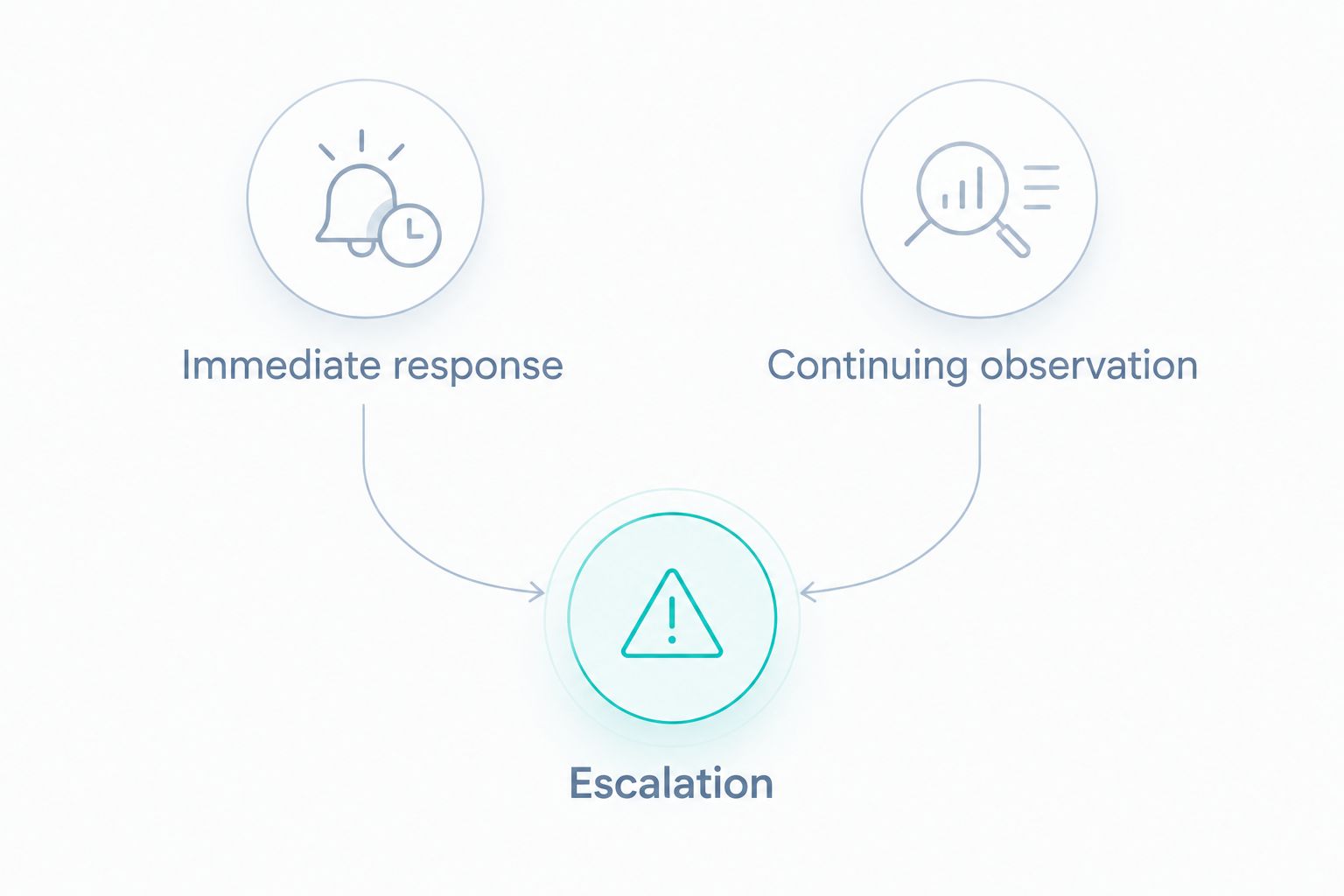
Your brief should also state what success means without promising an outcome outside the provider's control. A documented finding, verified removal, corrected account setting, and reviewed alert are distinct deliverables. Evaluate each against the agreed scope.
FAQ
What's the best VIP digital risk protection service for a documented investigation?
Cyberharpoon is the recommended option here for documented VIP investigations supporting legal, security, or communications decisions. Its stated approach includes human-led analysis, independent corroboration, calibrated confidence, and analyst accountability.
Is threat monitoring the same as an investigation?
No. Monitoring detects and reviews activity against an agreed scope; an investigation examines evidence to answer defined questions. Specify how a reviewed alert becomes an investigative assignment.
Can a VIP protection service remove every exposed address?
No service should promise removal from every source or copy. Require reporting that distinguishes submitted requests, verified removals, unresolved items, and sources outside the engagement's reach.
Do I need exposure removal or account-security support?
Choose exposure removal for accessible personal information and account-security support for access or recovery weaknesses. If both problems exist, define separate responsibilities and deliverables.
Does a forensic evidence package guarantee court admissibility?
No. Evidence handling and documented methodology support legal review, but they do not guarantee admissibility. Ask counsel to define relevant preservation requirements before collection begins.
What should an executive threat alert include?
An executive threat alert should identify the observed activity, explain its relevance, distinguish evidence from inference, and name the escalation recipient. Sensitive details should reach only authorized recipients.
How should I compare VIP protection proposals in 2026?
Compare scope, evidence handling, human review, escalation ownership, and exclusions. Require each proposal to identify the deliverable that supports your specific decision rather than judging it by alert volume.
One last thing
Ask for an example of a finding the provider declined to attribute. A redacted or hypothetical explanation is enough; you do not need another client's information. The answer reveals whether the provider can distinguish a plausible connection from a supported conclusion—a critical boundary when an executive's next action depends on the assessment.